
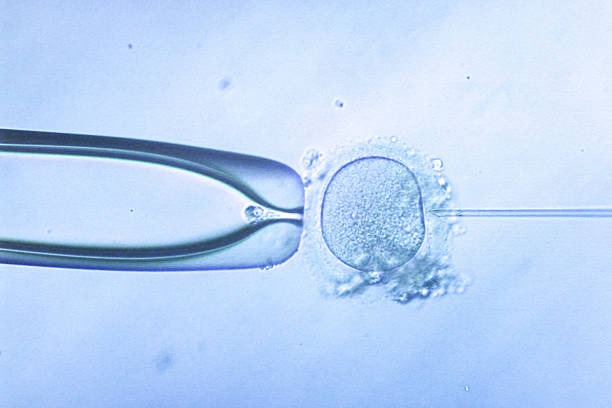

In recent years, the demand for assisted reproductive technologies such as in vitro fertilization (IVF) has increased significantly across India. Couples facing infertility challenges are exploring various options to fulfill their dream of parenthood. One important consideration for many is the cost of IVF treatment, which can vary widely depending on geographic location, clinic reputation, and other factors. Rajasthan, a state known for its rich cultural heritage and growing healthcare infrastructure, has emerged as a notable destination for affordable IVF services compared to some other Indian states.
The affordability of IVF in Rajasthan can be attributed to several reasons. Firstly, the this IVF cost guide for 2026 of living and operational expenses in Rajasthan tend to be lower than metropolitan hubs like Delhi, Mumbai, or Bengaluru. Clinics operating in these urban centers often have higher overhead costs that translate into more expensive treatments. In contrast, clinics in cities like Jaipur or Udaipur offer competitive pricing without compromising on quality due to comparatively lower rents and salaries.
Secondly, Rajasthan’s healthcare sector has seen substantial growth with an increasing number of specialized fertility centers equipped with modern technology and experienced medical professionals. The competition among these clinics drives prices down while ensuring high standards of care remain intact. Many centers also provide customized packages that include multiple cycles or additional procedures at discounted rates-making it financially easier for couples who require extended treatment.
Moreover, government initiatives aimed at improving access to healthcare have indirectly influenced IVF affordability in the region. While there may not be direct subsidies specifically targeted at fertility treatments yet widespread improvements in infrastructure and regulation help maintain transparency and reduce hidden costs often associated with medical procedures elsewhere.
When comparing Rajasthan with states like Maharashtra or Tamil Nadu-where IVF is also popular-the price difference becomes evident but not drastic enough to compromise quality substantially. For example, an average single cycle of IVF might range from INR 1.2 lakh to 1.8 lakh nationwide; however, patients report slightly lower expenses when choosing reputable clinics within Rajasthan due mainly to less ancillary expenditure such as accommodation and travel if they reside locally.
It is essential though for prospective patients not only to focus on cost but also on success rates offered by individual clinics along with reviews from previous patients before deciding where to undergo treatment.
In conclusion, while IVF remains a significant financial commitment regardless of location within India’s diverse landscape; Rajasthan offers relatively more affordable options compared with several other states without sacrificing quality or clinical outcomes-a factor making it increasingly attractive among couples seeking effective yet economically viable fertility solutions.